
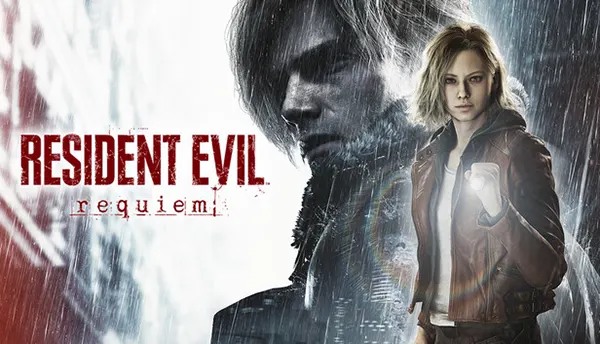
The survival horror genre has undergone a noticeable transformation over the past decade, largely driven by high-quality remakes of classic titles. Capcom’s revival of the Resident Evil series set a new benchmark for atmosphere, mechanics and narrative pacing. Against this backdrop, the concept of Resident Evil Requiem reflects a broader shift in design philosophy — one that blends legacy elements with modern expectations. As developers move beyond remakes, a new phase is emerging where psychological tension, systemic gameplay and narrative depth define the genre’s future.
The success of Resident Evil 2 Remake in 2019 redefined how older horror titles could be reintroduced to modern audiences. Instead of simple graphical upgrades, Capcom rebuilt the game with a new engine, over-the-shoulder perspective and refined mechanics. This approach balanced nostalgia with innovation, creating a template that other studios quickly began to follow.
Subsequent releases such as Resident Evil 3 and Resident Evil 4 Remake continued this trend, though with varying degrees of critical reception. These projects demonstrated that players were not only interested in revisiting familiar stories but also expected meaningful improvements in gameplay systems, AI behaviour and environmental storytelling.
Beyond Capcom, other developers took note. Franchises like Dead Space and Silent Hill began exploring similar strategies, combining modern graphics engines with updated gameplay loops. This shift influenced the entire survival horror segment, pushing it towards more immersive and technically advanced experiences.
Modern players now expect more than simple remasters. High production values, cinematic presentation and responsive controls have become standard. The remake era has effectively raised the baseline quality threshold across the genre.
Another key expectation is environmental storytelling. Players want worlds that feel lived-in, where every room and object contributes to the narrative. This demand has influenced level design, encouraging more interconnected spaces rather than linear corridors.
Finally, replayability has become a major factor. Adaptive difficulty systems, branching paths and unlockable content are now seen as essential components, ensuring that players remain engaged beyond a single playthrough.
While Resident Evil Requiem is not an officially confirmed title as of 2026, the idea represents a logical continuation of the franchise’s evolution. It symbolises a transition from revisiting the past to building entirely new experiences rooted in the series’ identity.
This next phase is expected to combine the claustrophobic tension of early entries with the mechanical sophistication introduced in recent games. Developers are increasingly focusing on dynamic AI, unpredictable enemy behaviour and deeper player choice systems.
Technological advancements also play a role. Real-time lighting, improved physics and more detailed character animations allow for greater immersion. These elements contribute to a more grounded and psychologically intense horror experience.
Storytelling in survival horror has shifted towards more nuanced narratives. Instead of straightforward plots, developers now explore themes such as trauma, isolation and moral ambiguity. This adds emotional weight to gameplay.
Character development has also improved. Protagonists are no longer just avatars for the player but fully realised individuals with motivations and internal conflicts. This approach strengthens player engagement and investment in the story.
Additionally, environmental narrative techniques have become more sophisticated. Notes, audio logs and visual cues are used not just for exposition but to build atmosphere and tension organically.

As the industry moves forward, original titles are beginning to take centre stage again. Developers are experimenting with hybrid mechanics, combining survival horror with elements from other genres such as immersive sims and RPGs.
Indie studios are also contributing significantly to innovation. With fewer constraints, they explore unconventional ideas, including non-linear storytelling, abstract horror themes and unique visual styles. These projects often influence larger studios over time.
Another important trend is the integration of player-driven systems. Procedural elements, dynamic events and adaptive storytelling ensure that each playthrough feels different. This increases longevity and player engagement.
One notable trend is the emphasis on vulnerability. Instead of empowering players, many modern horror games limit resources and combat effectiveness, reinforcing tension and fear.
Sound design has also become a critical tool. Spatial audio and subtle environmental cues are used to create unease, often more effectively than visual elements alone. This approach enhances immersion significantly.
Finally, the balance between action and horror continues to evolve. While earlier titles often leaned heavily in one direction, modern games aim to maintain tension without sacrificing gameplay variety. This balance is likely to define the next generation of survival horror experiences.

Mobile game monetisation in 2026 is no longer neatly divided …
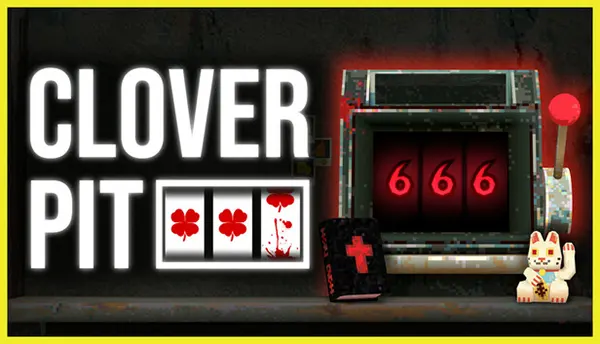
CloverPit turns one of gambling’s most familiar machines into the …