
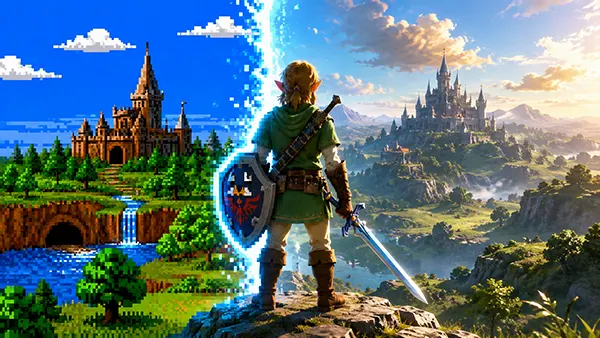
Video game remakes have become one of the most significant trends in the entertainment industry. In 2026, publishers are investing heavily in the revival of classic franchises that first gained popularity decades ago. Modern technology allows developers to rebuild beloved games with improved graphics, updated mechanics and contemporary accessibility features while preserving the core elements that made them successful. As gaming audiences continue to expand across multiple generations, remakes have evolved from simple nostalgia projects into major commercial releases capable of attracting both long-time fans and entirely new players.
Developing a completely new intellectual property has become increasingly expensive and risky. Large publishers often invest hundreds of millions of pounds in production, marketing and post-launch support. As a result, many companies prefer to work with franchises that already possess strong brand recognition and a proven audience.
Gaming history contains numerous franchises with loyal fan communities that remain active years after the original releases. Players who grew up with these titles frequently express interest in revisiting familiar worlds, characters and stories. This existing demand reduces uncertainty and gives publishers greater confidence when allocating development budgets.
Another important factor is the global growth of the gaming market. Many younger players never experienced older titles because they were released on outdated hardware. Remakes allow companies to introduce classic experiences to a generation that may only know these franchises through online discussions, streaming content or gaming history articles.
Game development tools available in 2026 are significantly more advanced than those used during the original releases of many classic franchises. Modern engines support realistic lighting, detailed environments, sophisticated physics systems and improved character animations. These advancements enable developers to recreate familiar worlds with a level of visual quality that was previously impossible.
Performance improvements also play a major role. Older games were often limited by hardware restrictions that affected frame rates, loading times and environmental complexity. Contemporary systems eliminate many of these barriers, allowing developers to realise ideas that earlier technology could not fully support.
Accessibility has become another key area of improvement. Features such as customisable controls, subtitle options, colour-blind modes and difficulty adjustments help remakes reach a broader audience. This modern approach allows classic games to remain relevant in a market that increasingly values inclusivity and player choice.
Financial performance continues to demonstrate why remakes remain attractive to publishers. Several major remake releases over the past decade have generated strong sales figures, proving that consumer demand extends well beyond nostalgia. Many projects have achieved commercial success across consoles, PC and cloud gaming services.
Marketing campaigns for remakes often benefit from decades of brand awareness. Unlike completely new franchises that must introduce their identity from scratch, established series already possess recognisable characters, settings and gameplay concepts. This familiarity can reduce promotional challenges and improve audience engagement.
Digital distribution has further strengthened the business case for remakes. Publishers can reach global audiences instantly while supporting games with updates, downloadable content and long-term community engagement. This extended lifecycle increases the potential return on development investments.
Nostalgia remains an influential factor, but it is rarely the sole reason behind a remake’s success. Players often seek more than memories; they want refined versions of experiences that shaped their interest in gaming. A well-designed remake provides familiarity while addressing outdated mechanics and technical limitations.
Online communities have become powerful drivers of remake development. Social media discussions, fan campaigns, forums and content creators frequently keep older franchises visible long after their original release. Publishers closely monitor these conversations when evaluating potential projects.
Streaming services and video-sharing platforms have also introduced classic games to audiences who never played them. When younger players discover older franchises through popular creators, interest in modernised versions often increases. This dynamic helps expand the potential customer base beyond traditional fans.
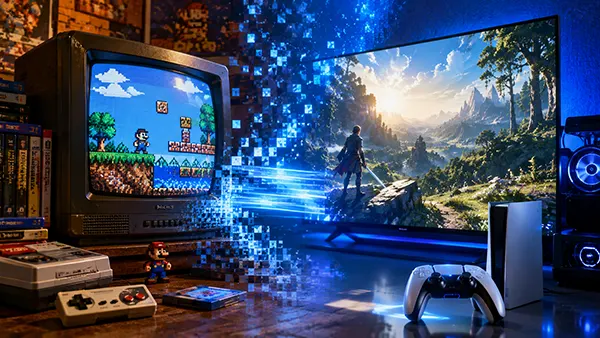
The remake market continues to evolve as player expectations become more sophisticated. Consumers increasingly expect developers to go beyond visual upgrades and deliver meaningful improvements to gameplay systems, storytelling and overall user experience.
Artificial intelligence tools, advanced motion capture technology and improved development workflows are enabling studios to rebuild complex projects more efficiently. These innovations allow teams to preserve the spirit of classic games while modernising design elements that no longer meet contemporary standards.
Competition within the gaming industry is also encouraging higher-quality remakes. Players have become more selective, and successful projects must demonstrate genuine value rather than relying solely on the reputation of the original release. This trend is pushing developers toward more ambitious reinterpretations of established franchises.
One of the greatest strengths of remakes is their ability to connect different generations of players. Older audiences can revisit games that played an important role in their gaming history, while younger audiences gain access to influential titles in a format that feels modern and approachable.
Cross-generational appeal creates unique opportunities for publishers. Families, friends and gaming communities can share experiences built around franchises that span decades. Few forms of entertainment offer such direct interaction between audiences separated by significant age differences.
As the gaming industry moves further into 2026, remakes are likely to remain an important part of development strategies. When executed with care, they preserve gaming heritage, introduce classic experiences to new audiences and demonstrate how timeless ideas can continue to thrive through modern technology.
Mobile game monetisation in 2026 is no longer neatly divided …
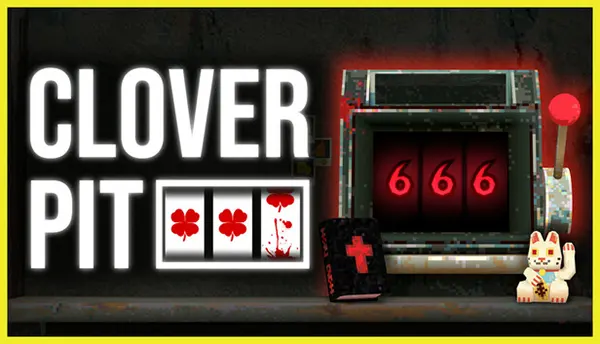
CloverPit turns one of gambling’s most familiar machines into the …